Tuesday, September 16, 2008

Companies That Care

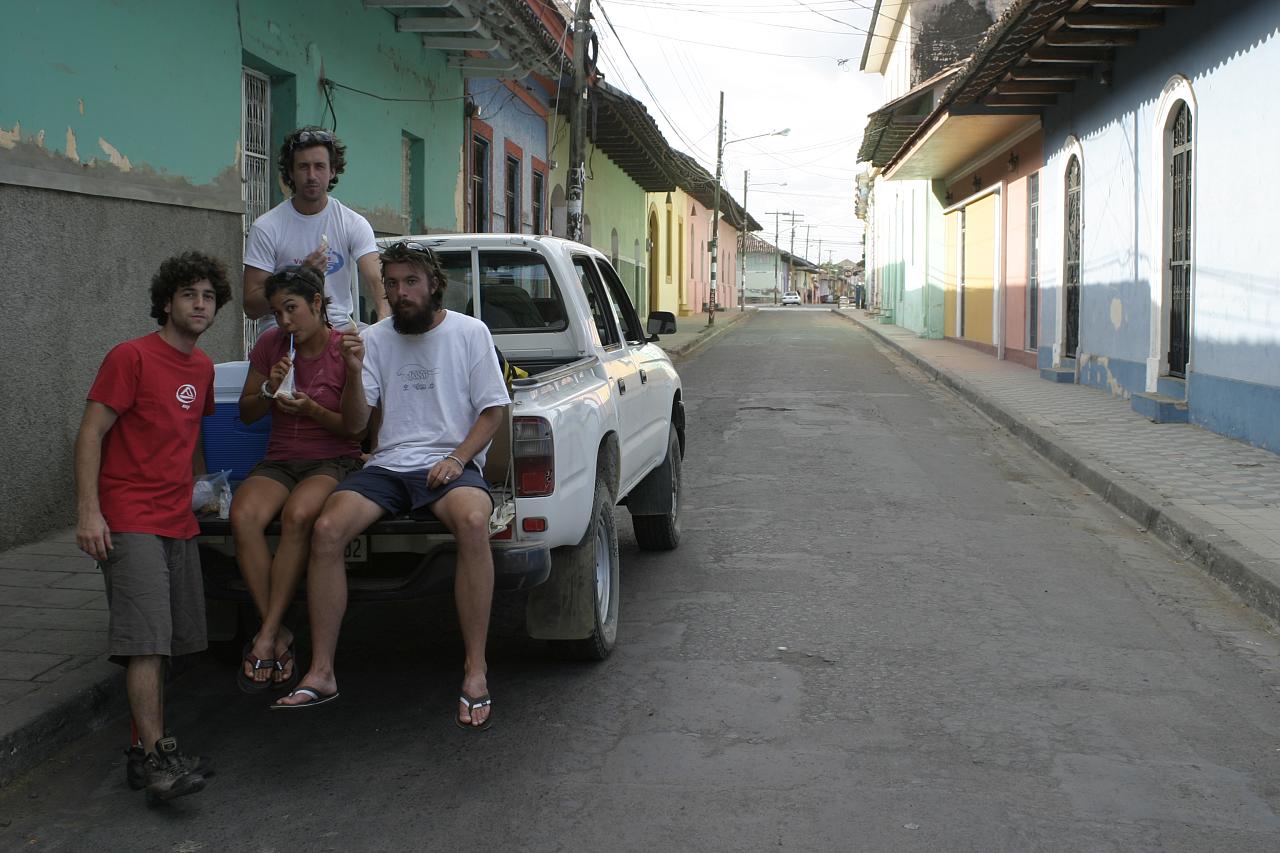
Its nice to know that there are still companies out there that not only make excellent products, but also still care about their greatest assets, their customers. This is the story of our experience with Katadyn and Optimus, sister companies that make, in my opinion, some of the greatest outdoor equipment available. In the summer of 2004, I bought the Optimus Nova backpacking stove from Kirkham's Outdoor products in Salt Lake City, UT (shown on the left). The Nova was slightly more expensive than some of the other options but there were a few facts that persuaded me to buy it. First off the stove, when held in hand feels solid, sturdy and well built, generally a good sign. Another factor was that the stove is compatible with just about every type of fuel available - white gas, kerosene, gasoline, diesel, even jet fuel (I haven't tried that one yet, but everything else - yes). The final selling factor, which the associate at Kirkham's informed me of, was that Optimus has unparalleled customer service and an excellent warranty policy. He told me of a former customer who had broken his stove and Optimus replaced with no hassle, I was sold. Simply put, I bought, what I felt was, the best available product because in my mind, when one buys the best and takes care of it, no need will come up to buy another one. When Leah and I left in January of 2008 for our bike tour we took the Nova with us and it proved to be an indispensable asset to our trip. Having the Nova provides us with the opportunity to be completely self sufficient, not having to rely on the availability of restaurants and also providing us with the ability to cook much healthier meals than are available in most areas of Central America. After 2 months on the road, while doing some routine maintenance on the Nova in Belize I sheared the bolt that connects the burner to the stand while tightening it. As soon as we came to a town with an Internet cafe I looked up the Optimus customer service email address in Sweden and the Katadyn affiliate in the US and sent them a message telling them of my situation, and our need for the Nova. I, of course, didn't have my receipt or of proof of purchase or anything of the sort and I was a little worried about it. Nonetheless, I received a personal response from both Optimus of Sweden and Katadyn of the US on the next business day telling me to send them the address where they could send the new stove, just like that! I gave Sarah of Katadyn my mom's address in the states and the brand new stove was there within a week, I couldn't believe it. From that point on, I decided that Optimus and Katadyn are companies definitely worth supporting.

At about this same time, we were traveling with a fellow bike tourist that we had met along the way. He was carrying the Katadyn Pocket water filter. Before Leah and I had left we had decided that we would mostly be buying water and using a Steripen (a UV light water filter) for emergencies when clean water was not available. After traveling for a bit we realized that this was not the most efficient or best option for several reasons. While the Steripen is certainly a good product for what it is intended for, overnighters and day hikes, we found that we were needing it more often than we had anticipated. Some of the drawbacks we found were the constant need of batteries and the ability to only filter one liter at a time. We also found that buying water was expensive, not always available when we needed it, and a generally wasteful form of plastic goods, something neither of us are fond of. Isai, our companion, had no need to buy water ever, or batteries. People are almost always willing to give him water out of their taps and the Katadyn Pocket was the perfect solution. There are certainly cheaper water filters out there than the Pocket, but like the Nova, there are a few factors that set it apart. For one, again like the Nova, you hold it in your hand and you feel as though it will never break. It is made of stainless steel very durable plastic, it is heavier than some of the others out there, another sign of durability. The Pocket has a very simple design that makes it easy for anyone to clean and maintain. One of the reasons for its weight is the size of the ceramic filter inside. The filter is larger than most others allowing it filter up to 12,000 gallons before needing replacement, not to mention that the pores of the filter are smaller than most, meaning you get cleaner water, filtering out particles and microorganisms that some others do not. In my mind, all of these factors add up to the fact that this is the best water filter on the market and lets face it, when you are drinking water from a filter day in and day out and lots of it, while biking in Central American heat and humidity, you want to to have faith in your filter. After weighing all of these factors, Leah and I decided to go for it and order the Pocket filter, we also felt that it would be the last filter we would ever have to buy. We had it delivered to my mom's house and she sent both the Nova and the Pocket to us in Managua, Nicaragua.

After receiving them we knew we had made the right choice with the Pocket. We didn't ever have to worry about whether there would be a store with either batteries or water where we were headed, it was nice. Unfortunately, however, after only three weeks of traveling with our new stove and water filter we got robbed in a little town in Costa Rica and both the stove and the water filter were gone. We were devastated, we were no longer self sufficient, we had to eat cold meals and rely on restaurants meaning we weren't able to eat as healthily or as cheaply as we had been in the past. We also resorted to drinking water out of the taps, only after asking the locals if it was safe first, of course. This lasted for a couple of weeks until we were scheduled to go back to the states for a hiatus in our travels and I decided to appeal to Optimus and Katadyn for help in our current situation. I emailed them telling them our whole story and I asked them if there was anything they would be willing to do to help us out so that we wouldn't have to buy the Nova and the Pocket at retail price again. I again received a personal response from the same Sarah as before, informing me that she would speak with the VP Director of Sales and find out what they could do. A little while later she replied offering both the Pocket and the Nova to us at the wholesale cost, which in the end saved us the equivalent of the retail price of the Nova. We of course gratefully accepted their offer and although we are currently on hiatus from our bike tour for a couple months, we are still enjoying the use of our stove and water filter on our backpacking adventures here in the Northwest and looking forward to using them when we resume our journey in Central and South America.

We would like Optimus and Katadyn to know that we are very grateful of their service, generosity and their outstanding products and warranties. Needless to say, Leah and I are now lifelong loyal customers.

Thank you,
David & Leah Gibbarts

Tuesday, July 8, 2008

Guanacaste Mountains, Costa Rica

While staying at the hot springs in Miravalles, the manager, Alex, had given us a suggestion for a route, a "shortcut", over the Guanacaste mountain range that would be "an adventure." He told us of a road that went over Cerro la Giganta (The Giant Hill). The road, on the map, was surely a short cut as it traded at least 50 kilometers of riding on paved roads for what he told us would be 4kms of flat, 4kms of climbing, and 4 kms of downhill on a "rough dirt road". His friend, Victor, who was sitting in on the conversation told us that not only would the road be an adventure but that it would be taking us right, "through the heart of my country" with no houses, only fincas (farms). Now, many times when people tell us that a certain road is rough, it ends up not being so bad, people generally exaggerate the conditions. We decided that it sounded like it would be a shortcut worth taking, so we followed Alex's directions. We headed toward Cuipilapa, the town where he was from. His directions and descriptions were right on the money for this first part, it was very beautiful, we passed the thermal energy plants and (most importantly) it was pretty flat and the road wasn't so bad (confirming our suspicions) and it was exactly 4kms until the hill started. We started thinking it may not be such a bad shortcut after all.

The hill started with a small river crossing. There was a man walking past us there and I asked him, "Is the hill starting?" He looked at me with a smile that seemed to be hiding something and said with a chuckle, "More or less." We shortly thereafter discovered that when Alex had said it would be an adventure, he wasn't lying. The road kept getting steeper...and rougher. Leah and I were able to push/ride our bikes individually for about 1km until La Giganta got so steep and rough that we had to set one bike down and both push one bike for a bit, set it down, go back to the other bike and repeat the process. Now if you do the math, that requires us to do three times the amount of walking and twice the amount of uphill walking. For this part of the route Alex had been wrong, it ended up being 5.5 kms of uphill, maybe half of one km of which we rode, one km of which we pushed individually and 4 of which we pushed together. If you add it all up we ended up pushing our bikes up 9 kms of steep, very loose rocky uphill and walking a total of 13kms. It had taken us over six hours, just to climb this "4 km hill".

At the top of La Giganta we had a beautiful view of the valleys to the east and west, Volcano Miravalles to the north and hills to the south. Also, in front of us laid more steep, loose, rocky road, but this time gravity was to our advantage. We got on our bikes and rode 100 meters before we decided we would be better off (safer) walking our bikes down. I was at the bottom of the hill when I heard a crash and looked up to see Leah's bike on the ground, her front panniers thrown off the bike (this was the second time, unbeknownst to me) and Leah sitting next to it with her head in her hands. As usual I wasn't sure how to react but decided to walk back up the hill and try to console her. I sat down next to her, put my arm around her shoulder and through her tears she said, "This isn't what I signed up for." Leah had been trying her little heart out, and I felt really bad, but there was really nothing I could do. I picked her bike up, put the panniers back on and walked it down the rest of the hill giving her time to shake it off. Most of the rest of the hill we were able to ride down slowly and carefully. We eventually reached the bottom around 4:30 PM, the whole epic had lasted around ~9-10 hours. We were exhausted and it was getting time to find a place to camp. When reached the highway we realized that we were within only a couple of kilometers of Enrique's father's ranch, Hacienda Miravalles and we decided to stop in for the night.

We arrived at the ranch and met Doña Mariksa. We told her that we were friends of Enrique and asked if we could set up the tent . She called the boss and obtained permission for us. Before we set up the tent she made sure that we understood if there was anything we needed we better just come to her and ask. She also told us to come to her when we got hungry. We slept like babies that night and the next day wandered around the ranch checking out the beautiful Brahman cattle herd, watching part of the artificial insemination process (donning an arm's length glove, lubing it up, and sticking an arm up the cow's butt to probe the uterus while at the same time using a huge syringe to inject the semen into the cow's vagina - not exactly child's play - or my idea of a good time).

We were also treated to a horseback ride through part of the ranch. From the ranch you could see part of La Giganta which we had ridden (pushed) our bikes over, Volcan Miravalles, Volcan Tenorio and the valley between the two. While riding around we contemplated trading our bikes in for a couple of horses but decided that although crossing mountain passes like La Giganta would be much easier on horseback, our bikes, Blackie and Pete, really give us no trouble. They're never hungry, they never run off in the middle of the night (by themselves), they don't need rest and they don't fart when you are riding close behind them. We decided it wouldn't be such a wise trade. After the horseback ride we realized that although our bike seats are called saddles, there really isn't much similarity between riding bikes and riding horses. When we got out of the saddle our butts hurt a little (not in the usual spots), our legs felt stretched (bowed) and our inner thighs felt more worked than they had been in a while, nonetheless it had felt good to ride a horse again as it had been several years since either Leah or I had done so.

We left Hacienda Miravalles early in the morning, we again were striking out on another "shortcut" suggested to us by one of the ranch hands. This time however it didn't turn out so bad we only had to push our bikes in a couple of spots. We also got to ride by a wind farm with giant windmills (can you see Leah in there?). By the time we reached pavement again Leah had decided she would be quite content if without taking another dirt road for a while. We descended quite a ways into the the Arenal valley where the Lago Arenal reservoir lies. We reached the lake and from there it was steep rolling hills all the way to the town of Nuevo Arenal (just called Arenal - Old Arenal now lies under Lake Arenal.) Along the rolling hills the tourist presence and foreign investment was very obvious. We saw a lot of housing developments with US priced houses as well as a lot of land for sale. We also couldn't go more the 500 yds without seeing some sort of sign with an advertisement for either a hotel, adventure tour or restaurant, the signs were a very ugly addition to an otherwise beautiful ride along the lake.

By the time we reached Arenal (at the top of a very big hill) we were absolutely starving. We stopped at the grocery store, bought some cheese, tomatoes and cucumbers then rolled down the hill to the "German Bakery" that we had seen no less than 7 signs for on the road (we weren't exactly stoked about encouraging the presence of signs but good bread is always tough to turn down). We enjoyed every last bit of our "sandwiches" on black bread and when the Spaniard tourists next to us left their bread sampler plate only half eaten, I couldn't just sit by and watch good food go to waste so I snatched it and ate it too. After our lunch we wandered around town a bit grocery shopping and found a Costa Rican bakery that was every bit as good as the German bakery and a fraction of the price, so we loaded up on bread for dinner and breakfast after complementing our previous meal with some irresistible cinnamon bread and pastry (screw the Atkins diet - give us CARBS!).

After our little rest and watching the rain go by we set out to find a place to camp. There was a public park but with our recent robbing experience Leah wasn't too stoked on that option so we rode on down the road until she found a house that looked inviting. She waltzed up to the house and told our story: All the cheap hotels were taken, we didn't want to camp at the park after being robbed and nowhere would let us camp. The owners were an old grandma and grandpa and soaked up every detail. They looked down the hill at where I was standing and the grandpa was pretty confused, "But he's a gringo," he says, as if gringos can always afford hotels. "Yeah, I am too," Leah says. "Oh. Why do you want to camp here?" grandpa says. Leah tells the story again and after thinking for a moment he points at the bottom of the hill, close to where I'm waiting, at a little stable and tells us to camp there. Leah thanks them and comes down. We walk our bikes up next to the stable and set them down and he yells down, "No, no, open the gate and go inside." Leah looks at me with a quizzical look, "Hey, if a stable is good enough for Jesus..." I say. This is how we came to camp in a stable for the first time.

After setting up our tent and getting ready for the night we walked up to thank our hosts. We ended up sitting and talking with them for a while and they told us of how they had lived in Old Arenal and the government had provided them with the land they currently lived on when the reservoir was built. They told us of all of the soaring land prices in the area and how there were almost no Ticos (Costa Ricans) living in town because of it. This is one of the major problems with foreign investment in developing countries, displacement of the locals (it also happens in Hawaii). After we had talked for a while at about 6 PM grandpa looked at us and said, "Now you're going to sleep?" We took that as a very strong hint, said goodnight and retired to our stable for a good night's rest.

Saturday, June 28, 2008

"Life is like a box of chocolates, you never know what you're gonna get."...or get stolen

We arrived into San Carlos, Nicaragua at 5 am just in time to see the sun rise over the Rio San Juan. It had been a smooth ride, but we had gotten little sleep-- the old school Sylvester Stallone movies dubbed in Spanish didn't help. We found a hotel room at 6 am, ate breakfast, and set out on a walkabout around the town. It had a bit of a border town feeling, but was nice enough. Leah wasn't feeling well, so she slept for a good part of the afternoon and evening and I dined alone in the bus station "food court" (a bunch of people yelling at you, "What do you want my love? Come here, we have what you need.") As soon as you pick a place, their heads turn, arms go down and their eyes search out the next hungry victim. I ordered gallo pinto and huevos (beans and rice mixed with eggs on the side) and the young girls next to me shyly tried out their English on me as I ate. On my way back to the hotel I stopped to buy some baby wipes (aka showers when we have no other option) and got a 30 minute lecture from the store clerk with his bible in hand about how I need to return to the bible and subsequently Jesus. He asked if he could give me a bible and I told him that I travel on bike and don't have space. He tried to tell me they are plenty small, so I told him I can get them for free when I get home. I went back to the hotel and joined Leah in slumber. After 3 hours I woke up with a bloated belly...uh oh. I took myself outside to the railing over the river, stuck my finger in my mouth and pulled the trigger. Gallo pinto and huevos hit the water in the moonlight and I watched the little fish go nuts on a midnight snack. I didn't feel any better in the morning and my appetite was gone. We caught the 10:30 am boat that took us from San Carlos, Nicaragua to Los Chiles, Costa Rica via the Rio Frio-- we were leaving Nicaragua for good.

saw a bull shark fin (the only type of freshwater shark in the world and it lives in Lake Nicaragua). Once we entered Costa Rica we started seeing another kind of life we hadn't seen since Belize, conventional tourists. They were on tours of the river and we were quite shocked by how many we saw in this out of the way place in the low season. We arrived in Los Chiles, Costa Rica, got our passports stamped, and made for Upala via a dirt road "shortcut" throughAlong the river we saw some crocodiles, caiman, many river birds, howler monkeys, and I even the Caño Negro wildlife refuge. After about 30 km of very loose rocky road, I had to stop. I wasn't feeling well at all. We found a house with a yard to camp at and I went to bed without dinner. I hardly slept, donning a fever throughout the night and waking up sweat drenched (despite the cold wet socks and tylenol dose after dose). In the morning, the diarrhea hit-- it was on. We set our sights for Upala and got a hotel room where we holed up for the next couple of nights. Leah took care of me during my high fevers and in between running to the bathroom. Finally, after two days of fevers, she decided it was time to break out the secret weapon from our arsenal a.k.a. pharmacy-- the antibiotics. Meanwhile, Leah being Leah was praying that the antibiotics would work, thereby quelling her fear that I had dengue or the big M, malaria that is. Just a couple of hours later I started feeling much better and in the morning I had my appetite back. After one more day of rest, we decided that even more therapeutic than a "habitacion con ventilador" in Upala (although it was a nice town and we didn't see another gringo there) would be the hot springs near Volcan Miravalles.

The 50 km ride took us on dirt road out of the Northern lowlands and into the Cordillera de Guanacaste (Guanacaste mountain range). We skirted around the north and west sides of Volcan Miravalles, gaining a couple of thousand feet of elevation which wasn't easy considering we still aren't back in pre-Managua climbing shape. At the peak of our climb in Armenia, we met a man who shared some agua manzanas (water or mountain apples) with us and a woman staring at us from a nearby store followed his lead and provided us with some much appreciated refreshement in the form of more agua manzanas. We rode toward Aguas Claras enjoying the mountain roads and vistas. We were in the land of fincas (small farms or ranches) and as we passed one dairy, I noticed they were milking so we stopped to have a look. We met Elfin, the owner, and he told us about their family farm. They had 35 milking cows and sold their milk to Dos Pinos, the largest seller of dairy products in Costa Rica and other parts of Central America as well (ice cream, cheese, milk, cream, you name it, if it's from a cow, they sell it). It was really neat to find out that such a large corporation buys primarily from small farmers. Hopefully not just a romantic concept. He proudly showed us around his barn (including the wild "forest turkeys" that had taken up residence) and how his milking operation worked with the machines. I asked him if we could try it "a mano" (by hand) and he smiled. He found us a good cow (long teets- easier milking) and he showed us how to do it. It looked easy and I squatted down with confidence. My first squirt had 1/4 the power of Elfin's, not to mention I missed the bucket. The subsequent three tries were a repeat-- man I really suck at this. Finally, I hit the bucket twice in a row and then missed again. I felt bad wasting the milk and gave Leah a shot. Leah was better than me and hit the bucket every time minus the time she squirted me on purpose. Elfin took over and showed us how it was done. His squirts had the power of a super soaker and the accuracy of a summer water fight sniper. When he was finished, he filled up a glass with the milk we had just "made" and gave it to us to try. It was frothy, creamy, thick, sweet, warm, and delicious! Leah said something interesting, "This sounds stupid, but I'm actually amazed this tastes like milk." We said goodbye and when I shook his hand it was obvious that he had milked a lot of cows, he was STRONG.

After leaving the dairy, were we aching for some hot springs action. Finally we arrived at the hot springs and thought we had died and gone to heaven. There were three pools, warm, warmer, and hot-- there was even a water slide if you were feeling too relaxed. The price was right and the camping was free! This was a place where only locals go-- tranquilo and with great vibes. Every person we talked to explained how nice and safe the area was and how there were never problems there. We finally felt relaxed after the antics of the wild west (a.k.a Nicaragua and Honduras) and let out a big sigh of relief. The pools felt great and we found a place to camp away from all the excitement (really there was hardly anyone there), off in a corner and across from the warm stream. We slept like babies that first night and got up early the next morning and hit the water, followed by a full day of relaxing, card playing, reading, and talking with the locals with not another tourist in sight. This was not the Costa Rica we had anticipated as everyone kept telling us how overrun with tourists the country is, a nice surprise.

That night I cleaned up after dinner and loosely put things away. Everything was under shelter and the according to everyone the area was safe, nothing to worry about. We took almost all of our usual precautions by bringing the money belts with passports and cameras inside the tent, I didn't take my handlebar bag in as all it had were a couple of things no one would want but me anyway (ie. compass, analog altimeter, bike computer, some locks and stinky biking gloves, etc.). I joined Leah in the tent and slept soundly until midnight or so when I woke up for my usual midnight pee. After peeing, I stumbled under the shelter for some water and I noticed that my bike (10 feet away from the tent) had fallen over. Now, picture this going through my groggy brain...¨Weird,¨ I thought, ¨I didn´t hear it fall. Huh, some things fell out of the panniers. Wait a minute they weren´t open last night when I went to bed, did an animal get into them? No they would have made more noise.¨ My heart starts pounding, ¨Shit, we got ROBBED!¨ All the panniers were open, everything was taken out of them, things taken out of plastic bags and the plastic bags gone, full of the stuff they wanted. Gone is the stove, water filter-gone, Leah´s shoes, Enrique´s camelback we were borrowing, compass, altimeter, bike computer and the list goes on $1,000 long. They really must have worked up an appetite because they even had time to open and eat one of our cans of tuna and toss the empty can aside!

I'm sure that the thief didn't even know what some of the things were, but they looked fancy enough to take. The stove is worthless to them because they left the pump and fuel bottle. The altimeter, if they figure out what it is, is in feet. The bike computer is worthless without the mount that is still on my bike and the locks that they took were combination locks. Lucky for us though, they left all of our panniers, dry bags, and bikes and most importantly left us safe and sleeping soundly. Worse than losing our stuff though, they stole our innocence and violated our space and trust, a very depressing and angering feeling. We woke the manager and told him what happened (although a little unsure if the manager was actually the thief, skeptical of everyone at this point). He was very sorry for us and we could tell it pained him (well, he told us so too). He said it was the first time anything like this had happened there. We took all of our stuff under the restaurant roof and tried to go back to sleep, awaking and looking out of the tent with every little noise, sorry that we felt we had to do so. In the morning, we took everything apart and made a list of everything that we lost and we still add to it now and then. We rode to the police station to file a report and on the way we encountered Victor, a man that we had met the day before at the hot springs who we chatted with and who kindly bought us each a drink as well. When we told him what happened, he was very sorry and embarrassed, a reaction we got from the police chief as well. "This NEVER happens here," he said. Unfortunately, this is a problem that has been on the rise here in Costa Rica for awhile and it seems that no area is impenetrable. They insisted that it must have been someone from outside of the community that had come to the hot springs and seen us there. Our bad luck persisted and the police didn't have the capacity to issue an official police report there, something we wanted just in case we could get some money from insurance. So, we checked into a hotel, stashed our bikes, and made our way to Liberia, the closest big city. However, the bus schedule didn't allow us to go there and back in the same day, so we stood outside in the rain hitchhiking until Miguel Angel picked us up and kindly delivered us to the main bus station in Bagaces, half way to Liberia. The irony did not escape us of the fact that we were hitchhiking the morning after getting robbed, but we were desperate and quite simply still had faith in the goodness of the locals (which Miguel Angel clearly reaffirmed to us). Our trip to Liberia was successful and we left the next morning with slightly higher spirits and still a warm place in our hearts for the area and locals we encountered.

Friday, June 27, 2008

Hasta Luego, Managua

After almost two months of living with Enrique in Managua, we decided it was time to pack up and leave. But first, Enrique got a taste of bike touring around the neighborhood on my trusty bici I have recently named "Blackie." Pronounced, Blah- KEY, as every single black dog is called on the Atlantic coast of Nicaragua (not joking). Our time there was filled with two weeks of awesome Spanish lessons, weekly movies at the cinema, cooking in a real kitchen (and even baking!), card games galore, witnessing first hand the labor unions and goverment duke it out (in a developing nation nonetheless), and numerous side trips to other cities, sites, and markets in Nicaragua. Gone are the days of hot showers, a comfy bed, and anything routine. Back to the life of bike adventurers going where the wind blows (hopefully the same direction), sometimes a bit stinky and tired, but always ready for anything.

Our first destination after Managua was Isla de Ometepe, an island in Lake Nicaragua. We woke our leg muscles back up on the 45 km ride to Granada where we caught a boat to Altagracia- one of the biggest towns on Ometepe. In our one week on Ometepe, we circimnavigated the island (all 100 km that is) and even climbed a volcano.

From Altagracia, we rode down to a small town named Merida. From Merida there is a trail to climb to the top of Volcan Maderas (one of the two volcanoes that comprise Ometepe. It´s inactive, but the other, Concepcion, is still active). While taking a break in Merida at a comedor, we encountered another bike tourist, Sam. Sam has lived in Costa Rica since he was 8, but his Dad is American and Mom is Swiss. He just graduated from high school and was taking one week to tour Ometepe. He´s also hoping to ride from Costa Rica to the States in the future, so we chatted for a bit about our experience so far. Later, we also decided to climb Volcan Maderas together the following day. We found ourselves a guide through the hostel we were staying at (guides are required) and set out at 7 am the next morning, hoping for a cloudless view from the top. The hike was classified as a "very strenuous 8 hour hike," but we thought, "Ah, they always exaggerate so people are over prepared, it´s probably not that bad." Holy cow were we wrong. The hike took ALL of our energy and 8.5 hours. We climbed from about 150 feet above sea level to about 46oo feet in roughly 4 miles or so (guessing) and the worst part was that there wasn´t really a trail in some spots. We were using our arms and legs to scramble up some rocks and tree roots and praying that we wouldn´t lose our footing in some very slippery and steep mud. The scenery made up for it though. We passed through coffee land, then into the forest, and later rainforest near the top. The views were incredible of the lake and other parts of the island. But unfortunately, when we got to the top the clouds rolled in and we didn´t get the spectacular view we had hoped for. David and Sam continued on a bit further to a laguna in the crater up top, but I stayed at the top as my legs seriously needed a break. (This actually wasn´t the best idea as I froze my butt off in my sweat drenched clothes with the wind whipping. I ended up sitting in a puddle of mud, scrunched up in a ball, behind a small tree for protection. Not my favorite moment). On the way down, we saw more howler monkeys and also capuchin monkeys for the first time (little white and black monkeys, like the ones in Africa that carry Ebola). Prior to this trip, I didn´t realize how populous monkeys are down here, a nice surprise (considering they don´t have Ebola of course). After a very large dinner that night, we slept like logs and woke up practically paraplegic. I guess that´s one way to jump start getting back in biking shape.

From Merida, we said our goodbyes to Sam and rode around the bottom part of the island, skirting the base of Maderas and enjoying the views of each of its sides. As we rode, we noticed lots of campesinos (farmers) and coffee, plantain, rice, and corn fields. It seems farming and tourism really are the only industries on the island. We also noticed that they were installing more poles to bring electricity to the most rural part of the island where we were. Everyone on the island was VERY friendly and laid back and still excited to see and talk to tourists (the island hasn´t been overrun with tourists yet, thankfully). That night, we camped at a house full of women, literally. A mother with 10 kids, all daughters and a few grandchildren as well (although not all 10 were living there). They all had long strange biblical names, none of which I can remember (blame my heathen parents). They were very welcoming and excited to host us and we stayed up past dark talking and sharing a meal by candlelight as electricity hasn´t reached that part of the island yet. While we spoke, they explained that their house was donated to them by a German organization along with many others on the island (which explains why so many houses looked identical) and also that the electricity expansion project was also a donation. As usual, they simply stated these things nonchalantely. Still a bit unnerving at first to us Americans. But that´s how lots of things get done in Nicaragua-- the government would never fund those things and the campesino way of life is virtually subsistence living. To them, it´s perfectly normal for them to live off of donations, and who shows gratitude for what´s normal? I never showed any appreciation for many normal things in the States (which now I am SO appreciative for).

The next day, we continued on our circumnavigation and spent the afternoon at Ojo de Agua (eye of water) where we also ended up camping for the night. Ojo de Agua is a big pool of clear water from an underground spring. More relaxing was in order of course and we swam and basked in the sun. We had also hoped to go for a night swim after everyone left, but as soon as it became dark a ton of bats came out and fluttered all over the surface of the water. Dave was still brave enough to take a dip. From Ojo de Agua we finally got back onto paved road and cycled some rolling hills to Punta Jesus Maria, the westernmost point on the island with a big sandbar. We were treated to a great sunset and then an awesome view of a couple of lightning storms a ways away. That night, we sat in an old canoe on the shore and ate our favorite packaged Casera cookies while Dave attempted time and time again to capture the lightning with his camera, which was quite comical for me. A great memory.

We left Ometepe with a renewed realization of Nicaraguan hospitality, many photos to remember the amazing scenery as well, and of course sore legs. The overnight boat to San Carlos whisked us away from the Ometepe oasis and brought us back to border town Central America. Costa Rica or bust!

Wednesday, June 4, 2008

The Corn Islands, or Islas de Maize, Carribean Coast, Nicaragua

Our time at the Corn Islands was filled with adventure...ok, not really much adventure. After arriving we walked (from now on you can assume that anytime I mention going anywhere, we were either walking or running- the former, for the most part) from the leeward side of the island to the windward side, about a 10 minute walk. We found a place to camp in a very busy part of the beach where the cheapest cabañas were, and therefore the most backpackers. As soon as we started talking to some of the backpackers we had met, we were immediately glad that we had lugged our tent, some food, our water filter, machete, and camping stove because it turns out that everything on the island was much more expensive than we (and other backpackers) had expected. We camped at Grace´s Place and enjoyed a little bit of social life, good weather, great coconuts, sunrises, clear water, card games, reading, journaling and long walks on the beach. Our life rocks!

On one of our long walks on the beach, we found a sweet place to camp on a corner of the island where nobody was staying, and from the beach there you could see both the sunrise and the sunset, tell me how you can beat that! The place was called Casa Sunrise, the owner wasn´t around but the caretaker, Emilio, was there and over the next week we got to know him quite well. He was from Big Corn Island and was very Caribbean and very cool. We also made some friends, Brent and Emily, that were staying at the place next to us who just happened to be from Park City, Utah and we connected with them really well. That night, we celebrated by cooking dinner over a fire on the beach with our new found friends, staring up at the stars, listening to Emilio sing ¨My Bonnie Lies Over the Ocean¨ and laughing at his seemingly endless sayings and stories. We all enjoyed it so much that it became a nightly event for the remainder of our time on Little Corn and quite possibly one of our favorite memories.

One of our other favorite past times during our two weeks there was walking into town for some fresh coco bread or pan de coco. Coco bread looks like a hoagie but is sweet and is cooked with coconut flour. We found about four places on the island that sell coco bread and we sampled them all. Our favorite coco bread was made by a lady next to the school and Panchito, our favorite domestic spider monkey on the island. We remained faithful to her coco-bread for the rest of our time there. We would try arrive at her house between 3 and 4 in the afternoon, right when she was taking the bread out of the oven (you know, carribean time). We would take our bread and sit in front of Panchito who, unfortunately, was on a leash but friendly, especially when approached alone. We would give him little pieces of bread, watch him swing and jump around on his tree branches and ropes and when I was alone (and lucky) he would hold my hand (either with his foot, hand or tail) and hang on my arm. I could sit and watch him for hours, but Leah was generally over it after 15 minutes or so.

The island also happened to be a tropical paradise where fruit grew without needing cultivation, even in the tail end of the dry season. We were told that during the wet season the place is full of even more fruit! While we were there the most plentiful fruit was mangoes. We couldn´t walk from town to our end of the island (about a 30 minute walk) without stepping on at least 3 mangoes. They were littered everywhere. Due to the plentitude of mangoes we discovered a couple of things: 1) there are at least 7 different types of mangoes on the island, and 2) I just might be allergic to one or more of them.

One morning after we had eaten our breakfast of some bread that the local cat had gnawed on (we took off the bits where we thought her saliva was), Aunty Rich mangoes (which we had been eating) and something new, Sugar mangoes. I went to lie in the tent to have a rest but was too hot, so I went to lie in some shade and was still too hot, then I tried the hammock, STILL too hot. Meanwhile, Leah asked me, ¨Have you been crying?,¨because apparently I looked a little pink and puffy in my face. Didn´t think anything of it though. I then realized that I was starting to really itch everywhere, especially in the locations of my lymph nodes. DING DING DING!!! Bells went off in my head. Leah had experienced something very similar to this just about one year ago and it was an allergic reaction. Now, for those of you who don´t know Leah she tends to be a bit of a hypochondriac (being a nurse and knowing symptoms for tons of diseases doesn´t help her out much). And not only does she always wonder if she´s sick, she does it with me too, driving me crazy at times. Knowing this, I approached the matter delicately, ¨Leah, now don´t freak out, but I think I´m having an allergic reaction,¨ I told her. She looked up from filtering water, took one look at me and went into hyperaction-nurse mode. The whole situation may not have been too threatening had we been in a city, but we were at least a 25 minute run from the local health center, a 30 minute boat ride to Big Corn Island and then a 30 minute flight to Bluefields which is where the nearest hospital was (and getting these modes of transportation lined up to coincide quickly one after the other is impossible). She said my face was swollen and deep pink, I had hives all over, bloody scratches where I had been scratching my armpits incessantly, and worst of all a thick bumpy tongue. I guess it would have been obvious to anyone with a mirror that something was wrong.

She shoved two Benadryl down my throat, threw me my shirt and said, "Run to the clinic!" I headed off down the path with her close on my heels after locking the tent and she called me to stop. She caught up to me, took a quick look and shoved another Benadryl down my throat. She had the Epinephryn Pen in hand and really looked like she wanted to use it. I told her that I would rather wait until I actually felt my airway being restricted. We then took off running for the clinic and I was soon out of sight of Leah. The whole time I was running I was thinking to myself a couple of things, "Damn, I'm glad we've been biking and I don't feel too winded to run," and second, "Its a good thing this island is pretty flat." About half way to the clinic I encountered Emilio, who had left for town on his bike only minutes before the action had started and I asked him to show me where the clinic was and that I needed to get there fast because I was having an allergic reaction. I'm pretty sure he didn't understand the gravity of the situation as he rode slowly on toward town (almost walking pace) and stopped to throw a couple of mangoes to Panchito. Without trying to push too hard I told him that I could run pretty fast and that he could speed up. It didn't change anything. Then at the dock he stopped and pointed in the direction of the clinic, farther down the path into town, I should have figured. After a total of about a 25 minute run I arrived to find the young nurse, Efra, who it turns out was just out of school, in the yard doing a bit of clean up. I told her what was happening and she took me in and sat me down.

"Do you think you could wait just a little while?" were the first words out of Efra's mouth when we got in the clinic. "I'm pretty sure that's not such a good idea," I told her. She explained to me that there was no doctor there right then and that he should be arriving on the boat from Big Corn Island soon. I think Efra must have seen the disparity in my eyes and taken notice to all the scratch marks all over my body and she got on the phone to call one of the doctors to find out what to do. Leah showed up while she was on the phone and took charge of my care. Between the two of them (after Leah explained that she was a nurse) and the doctor on the phone they laid me down, took my blood pressure and pulse, got out an IV, found the correct steroids and prepared to stick me. Now, ever since Leah had been in nursing school she has always commented on my veins and asked me if she can practice starting an IV in me. I'm not really one that is keen on having track marks on my arms so I always denied her the privilege. As Leah was drawing up the hydrocortisone, Efra got the needle out of the package (thank God) and Leah said, "Do you want me to do that?" in the Leah tone that means, "Can I do that?" Efra replied, "No, I can do it," in a tone that sounded like, "No, I want to do it." I could see the look of disappointment in Leah's eyes and Efra went to work (without gloves and with alcohol only after Leah requested her to use some) getting my vein in one try. They pumped me full of steroids and by this time I was feeling pretty groggy from all the Benadryl. After all the action was over and Leah said I looked MUCH better than when she had given me the third Benadryl, the doctor showed up. He listened to my lungs and heart and played with his tuning fork for no apparent reason. He decided that I looked ok and that all there was to do now was to rub calamine lotion over my body and wait. No one would have checked my blood pressure or pulses throughout the entire time if Leah hadn´t been there, a little different than in the States. We left the clinic a little while later without having to pay a cent and headed for some coco-bread and to sit in front of Panchito for a bit (we really liked doing that if you can´t tell by now).

One day we decide that some "ron don" sounded pretty tasty. Ron don (actually "run down" said with the local Corn Island accent) is a sort of Carribean stew made with coconut milk, Yucca (cassava - a potato-like root), plantains, carrots, conch meat and or fish (whichever you are able to "run down"). Leah, I, Emilio and Brent headed out as a squad to scour the local sea grass for conchs. After and hour or so of looking we had found only three small conches and had just as many barracuda sightings, with one following Emilio for a bit salivating at the thought of some tasty man meat. The barracuda must of decided Emilio was too sinewy and turned away and kind of caused us to do the same. Our next approach was to send Brent out with the fishing pole and Leah and I to town to get the required veggies. We returned in time to watch Brent reeling in a good sized snapper. Just as he got it in front of him he saw the flash of a giant barracuda, a tug on the line, then only a slight dead weight. He pulled in one third of a shredded snapper and and had no more luck. That night we had very starchy ron don with extra plantains and yucca, each savoring a small piece of conch or fish. Emilio made sure that even if we couldn't finish our plantains that we drank the broth and doing more than his part to help finish off the pot telling us, "Better belly burst than good food go to waste." For the meat that was lacking from the ron don the company more than made up for and nobody went home with an empty belly or heart.

The remainder of our time on Little Corn Island was spent like you would probably expect time to be spent on s small tropical island: reading, journaling, eating coconuts and other tropical fruits (minus mangoes), practicing my coconut opening skills, talking with locals, hanging out on the beach with Brent and Emily, circumnavigating the island by foot, swimming/snorkeling, watching sunsets and sunrises from the same place on the beach, playing cards, filtering water, making our meals and just enjoying island life. We left Little Corn Island with new found friends, a new soft spot in our hearts for Carribean culture and slightly better tans.

Wednesday, May 28, 2008

Coastal Nicaragua: From the Pacific to the Atlantic

Since arriving in Managua, we have explored and experienced many things. Some of these things have been in Managua and other things in other parts of the Nicaragua. To make a very long story just a bit shorter, I'll touch upon some highlights.

Just a couple of days after arriving in Managua, another good friend, Steve, flew in from Ecuador to spend some time with us before heading back to the States. It was also right around my birthday (I, David, am writing this part- but just this paragraph, I have nothing to do with the rest of this blog ;) ) and we headed out to Guacalito which is on the Pacific coast of Nicaragua near San Juan del Sur for a weekend of beach bumming. Before heading there we hit up the mercado in Granada and to add to our fun and the confusion of the mercado we decided to drive through the mercado causing us to feel like a bull in Pamplona.

The company that Enrique works for is developing the area into a giant high end private beach resort. Right now however they are still in the planning phase and and the beach is empty, beautiful, private and just our speed. We stayed in a little "ranchito" they have there - just some basic rooms and beds and a kitchen- all you need for a weekend on the beach. So we spent the whole weekend body surfing in too big of waves (the sunset session with the full moon rising over the hill at the same time was KILLER), cooking and eating some good food, walking around checking out the place, teasing the howler monkeys that were hanging out right next to the ranchito, talking about life, eating tamarindos until our mouths were full of canker sores, watching the sunsets, staring at the stars, getting astrology lessons scratched in the beach sand from Enrique, walking the beach in the full moonlight, falling asleep on the beach looking at the stars and talking about the most important things in life.
The other highlight was my birthday celebration. For the last two years I have been asking Leah for a pinata and finally we just happened to be walking through Mercado Huembes (a GIANT mercado that we get lost in for hours every time we go) and there was a section full of pinatas. I finally got my wish. We got a small one that looked strong enough for everyone to get a chance at it and picked out special candies to fill it. Isai climbed up in a tree with the pinata attached to a rope, Leah manned the camera and Steve and Enrique spun me around 27 times. I then proceeded to swing like a mad man, of course nowhere near the pinata, while everyone else laughed hysterically at my haphazard approach to the game, I just wanted to make Isai's job easy... Steve and Enrique had somewhat more refined approaches to the pinata, walking around with the stick out until they felt the pinata, then "Barry Bonds"ing it. We finally broke it open and found out that half of the candy really sucked.

At the end of the weekend we stopped in Granada on our way home so that Enrique could introduce us to a couple of Nicaraguan treats, quesillos and cacao refrescos. The quesillo is stretchy cheese (called quesillo) wrapped in a corn tortilla, placed in a plastic bag with some spicy pickled chilis and creme. The bag is tied in a knot, you bite one corner off and squeeze the tortilla, cheese, creme and chili through the hole. The cacao refresco is ice, milk, cacao, sugar and cinammon (I think) in a bag with a straw in it. Together they hit the spot!

After saying our goodbyes to Steve and Isai a few days later (Steve back to the States and Isai back on his bike to go to Monteverde, Costa Rica for a volunteer job), we were ready for another adventure. Enrique was also leaving to spend a week in Costa Rica and we figured there was no reason to putz around big city Managua when beautiful beaches on the Atlantic coast called us. We decided to go by bus rather than bike so that we would be back in Managua around the time Enrique returned from Costa Rica. So, we packed up for a trip clear across the country. Unfortunately, the only bags we have are our panniers and two big dry bags without straps, so we weren't quite as comfortable walking around as our backpacking counterparts we encountered on the buses were.

The bus ride from Managua to El Rama (2/3 of the way across the country) took 8 hours (by far our longest yet) and went through the ranch land areas of Nicaragua. Not so green, but scenic nonetheless, with open pasture, volcanic cinder cones, and cows cows cows. We arrived in El Rama and then headed to Laguna de las Perlas where we hoped to catch a ride on a boat to one of the Pearl Cayes to camp on our own deserted island for a few days. To our dismay, this involved another 3 hours by minibus, but this time it was on dirt/gravel road through green pastures, forest, big controlled burns, and later sand and palm groves. Finally, we arrived in Laguna Perlas much more tired than we imagined we'd be simply from sitting on buses all day.

The Atlantic coast of Nicaragua is very different from the rest of the country, so here's a bit of background for y'all. The population is similar to that of the Belizean and Honduran Atlantic coast people-- some Garifuna (and other groups of African descent), some mestizo (what people refer to there as "Spaniards"), and also a few indigenous groups with the most populous being the Miskito people. And as if the visual difference isn't shocking enough, they speak English (as well as each subgroup speaking their native tongue, namely Miskito and Spanish in Laguna Perlas). So, as you can imagine, we really did feel like we had left Nicaragua and entered another country upon getting off the bus.

We spent a few days wandering around Laguna Perlas taking in the sights and asking around about how to get to the Cayes. We met a very nice fisherman and sat on his porch and talked for a few hours with him about life in Laguna Perlas. He told us that it's hard to find work if you aren't fishing and that even as a fisherman it's hard to make a decent living. Gas costs around $6 USD per gallon there and it takes most boats about $100 USD in gas to get out to the good fishing areas and back. Ouch, not really a day trip as you can imagine. But, lobster season was starting soon so the town was a buzz with people fixing lobster traps and salivating at the thought of more money in their pockets. The fisherman we spoke with ingeniously came up with his own solution to decrease his business expenses (legally, thank goodness) and...he built a sailboat, which he had just completed the week before. He hadn't fished with it yet, but was very excited to begin using it. He also showed us his homemade shotgun (illegal, complete with the foam sole of a slipper to pad his shoulder) and proudly told us about all the animals he's killed with it. Over 150 deer and four jaguars in the past six years, among numerous capybaras and other animals I can't remember (also illegal, we're not so fond of those types of stories). Before leaving, we of course listened to his tirade on the current President and his account of the revolution (it seems most people we meet are very critical of the current President, Daniel Ortega. We haven't found a big fan yet and we're wondering if any exist as rich folks, poor folks, ex-pats, sandanistas, and liberals ALL have spontaneously divulged their lengthy and critical diatribe). We learned that during the revolution, when bullets started flying, the people in Laguna Perlas clambered onto boats and headed out to sea. He said lots of people died though and there was a lot of fighting going on in the area (which was news to me as I thought the fighting was more consolidated in the other half of the country), but the ocean was their safe haven.

Regrettably, we discovered that a camping trip to the Pearl Cayes wasn't going to work out. First, it would cost us around $200 USD to get there and back. Second, we didn't find anyone we trusted whole-heartedly to drop us off AND remember to pick us back up in a few days. And lastly (and perhaps the most convincing), there is known narco-trafficking in the area and many of the boats involved use the deserted cayes to stop off at. Hmmm... the decision to pick another location for our "honeymoon" wasn't so hard then. (David and I have started to call our side trips off the bike "honeymoons," mostly, so that we allow ourselves to have a good time without feeling too guilty about spending money on things like good food and decent hotels. Yeah, we're nerds, but the mind-trick works). We decided to move on to the Corn Islands after a friend highly recommended them to us (thanks Jason).

We left Laguna Perlas on a panga (small boat) to Bluefields and enjoyed the one hour ride on glassy inland waterways with mangroves and birds galore. The twice weekly boat to Big Corn Island was leaving the following morning, so we spent the afternoon and evening bumbling around Bluefields people watching and trying to find an ATM that would give us money (fruitlessly). Lets hope the one ATM on Big Corn Island works for us, we thought. We sampled quite possibly our favorite snack yet in Bluefields, bunuelos-- mashed cassava (like potato) wrapped around a little ball of cheese then deep fried, served with warm honey steeped with cloves and cinnamon on top. Riquisimo! We arrived at the ticket booth one hour early (at 6 am) to get our tickets for the boat to Big Corn as we had been advised to (apparently it fills up fast). After a bit of shuffling and elbowing to keep our place in line, we got our tickets and hopped on the boat for a '5-hour tour' (Gilligan's Island theme in the background :) ). Lamentably, the '5-hour tour' was less tour-like and felt like much more than 5 hours (for me). David got lucky, went outside early and found a spot where he was comfortable on the starboard side bow. My original spot in the cabin was far from comfortable as three passengers around me were throwing up (straight on the floor nonetheless and not cleaning it up) so the air in the cabin of the boat reeked of puke. I went outside of the cabin to find a more comfortable place to sit, but the only places were right on the bow or on the port side, both with their own drawbacks. The bow was moving up and down, up and down as we hit the swells and moving much too much for me to stave off seasickness for the entire trip, but the port side was getting the splash from the swells head on (along with a bit of rain). What to do?... I elected wet clothes over nausea and found a spot on the port side. As you can imagine, I arrived in Big Corn completely drenched and more than ready to get off that boat pronto. But the adventure wasn't over yet, one more boat ride to go to Little Corn Island, our "honeymoon" destination. After two hours on Big Corn and another fruitless attempt at the ATM, we left on a panga for Little Corn, just 30 mins away. Because we were unable to get any money out of the ATMs, we were restricted to quite a limited budget on Little Corn. Thank goodness for our tent we thought. As we pulled up to the dock on Little Corn, we immediately knew that it was just what we were looking for-- small island, few people, no cars or roads (just one sidewalk), crystal clear water. We finally let out a big sigh and settled into relaxation mode.

Monday, May 19, 2008

Las Manos, Nicaragua to Managua, Nicaragua

The border crossing into Nicaragua at Las Manos is located at the top of a very steep and long pass. This means pain leaving Honduras, smooth sailing entering Nicaragua. We passed more than eighty semis parked on the side of the road (I counted them) and we were thankful that it was a Sunday and the commercial border crossing was processing extra slow, keeping the traffic to a minimum for us. After an uneventful crossing we hit the pavement in Nicaragua and instantly we decided we liked it here. We were starting the country up in the mountains with nice cool weather, the road was new and in very good shape, there was very little traffic, and the first twenty to twenty five kilometers were all downhill! Having gone without bathing for several days and now riding down a canyon criss-crossing a ribbon of river we decided to take advantage. Leah didn't feel comfortable bathing in the river under a bridge but Isai and I had no second thoughts about it. After bathing Isai decided that the best way to dry his now wet boxers was to ride in them. Not wanting to have it be obvious to everyone that that was what he was doing he donned some other attire including his leg covers and a bandanna to cover his buttonless fly. This provided Leah and I will a pretty good laugh. The rest of the day was pretty uneventful, the most remarkable aspect being the heat. We passed through some Nicaraguan tobacco country and some buildings where they were drying the leaves and the tobacco odor was unmistakable. Somebody told us that a lot of Cuban cigars are filled with Nicaraguan tobacco, I couldn't tell you if that's true or not.

That night we set up camp right next to the Pan-American highway in Palacaguina. We stopped there for some water and got to talking to Francisco and his family that told us that if we camped right in front of their house, under the street lamp, no one would bother us. As we set up camp they gathered 'round to watch, something we are getting quite used to at this point. The next part of the entertainment was the cooking show as we showed them how to cook pasta on our little stove. They added to our little feast by giving us some tomatoes, onions, and chili pepper oil for our pasta and some corn tamales to complement the meal. When the pasta was ready we gave them a sample and they seemed very impressed. Leah, Isai and I ate, they watched and we all talked. We settled in for the night, a little worried about being in plain sight of the highway and anyone who might be curious about our tents, but the only events out of the ordinary were the group of cows that walked by, almost stepping on Isai, and the people that arrived at the bus stop at 4am and sat talking loudly for what seemed like forever until the bus finally came and took them away. In the morning we rolled down the highway toward Esteli. The landscape was dry, hot and consisted of mostly of rolling hills.

On our way out of Esteli we encountered three civil engineering students riding our same direction and we rode and talked with them until they reached their destination. We told them we were planning to stay the night in Sebaco and Carlos told us that Raphael's family lived there. Carlos offered up Raphael's parents house for us to stay at by saying, "Hey Raphael! They can stay at your house right?" Raphael agreed reservedly and drew us a map and told us that he would call his family and let them know we were coming. We took the map, said goodbye and started down the 23 km long and very gradual descent toward Sebaco unsure if we would take up Raphael's (or more like Carlos's) offer.

Just before arriving in Sebaco, Leah and I had our first "fender bender". It started when we passed someone on a squeaky bike. Then he put on the gas and passed us back (nothing out of the ordinary). Then while he was in front he passed the ice cream man riding his tricycle. Not wanting to be bested, the ice cream man put on his game face and passed squeaky-bike-man. That put me close behind squeaky-bike-man and Leah close behind me. All of sudden the ice cream man saw a potential sale and slammed on his brakes. This in-turn caused a chain reaction in which everyone ended up stopping suddenly and Leah bumping into the back of me. It was nothing serious, but provided us with some entertainment and tire tread marks on the back of a pannier.

When we arrived in Sebaco and started trying to follow Raphael's map we realized that we didn't really understand it, furthermore we also realized that we didn't know Raphael's last name or even his parents' names either. All we knew was what was on the map, they had a blue house, and there was a small store, we weren't sure if it was across the street, or in their house. Following the map's directions we got to what we thought must be the right street and area and found a store and asked if they knew of Raphael. We had to describe what he looked like, that he was a student, etc. They told us to ask across the street in the blue house. It turns out that it was the right house! It also turns out that Raphael had not called. His family was confronted by these three dirty bike tourists saying that they had met their son/brother and he had offered them a place to sleep. Real smooth. Needless to say it was quite awkward for some time while thy told us to sit down in the yard while they called Raphael to figure this whole mess out. We of course said we'd leave to find another place to camp, but they insisted that we stay. They got a hold of Raphael and straightened everything out, I'm sure not without reprimanding him first. We still felt a bit awkward but it wore off as we sat and talked with Raphael's sister who spoke very good English and was eager for some people to practice with.

We left very early in the morning hoping, but not expecting, to get to Managua that day. It was the 14th of April and we wanted to be in Managua with my good friend from Seattle University, Enrique, for my birthday the next day. The ride out of Sebaco in the early morning was cool and we had a tailwind helping us to really cruise. The entire ride to Managua went very smoothly as a lot of it seemed to be downhill. We stopped for my favorite kind of break at a roadside fruit stand and enjoyed some pineapple and watermelon. Eventually we could see Lake Managua and we knew we were within a stones throw of Managua and would arrive there the same day. Riding into Managua was reminiscent of riding into any big city, lots of traffic, people, exhaust fumes, and confusion. Stopping numerous times for directions toward Enrique's we eventually pulled up into the parking lot of Galerias Santo Domingo, the mall right around the corner from Enrique's house. It was 1pm, we had jut ridden 108 km, and we were ready for some lunch! Enrique pulled into the parking lot honking, flashing his lights and whistling out the window. He didn't hesitate to hug his stinking friends before he escorted us to his house. It felt great to be in the presence of a familiar face and good friend.